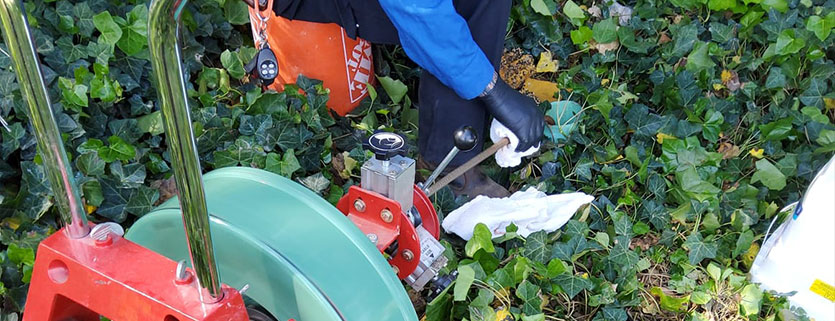
9 Leading Causes for Clogged Drains

drain cleaning Salt Lake City

One of the most common reasons people call a plumber is a clogged drain. Toilets, sinks, showers, and bathtubs each have the potential to clog, and when you see water rising instead of draining, you may begin to panic. Clogs can cause bigger problems such as flooding, corrosion, and sewer line backups, none of which is welcome in your home. So, what causes drains to clog? Lots of things. We’ve put together this list of the 9 leading causes for clogged drains to help you better understand why clogs happen and what to do if they happen to you in your home.

1. Hair

Hair clogs are very common in homes. Everyone has hair, and that hair needs to be either washed or shaved, and the daily showering or shaving means hair is being rinsed down the drain. Those small bits of hair flushing down the drain may seem minor at the time, but the accumulation of hair builds up and disgusting clogs form. Over time, that clogged drain will lead to slow to drain or standing water.

To avoid these clogs, take precautionary measures and reduce the amount of hair that enters the drain in the first place. You can find a drain cover at most home improvement stores to place over your bathtub or shower drain to catch the hair. This one small addition can drastically help reduce the chances of hair clogging and eliminate the need for drain cleaning.

2. Soap

Believe it or not, most soaps are made by mixing animal fat with lye. Bar soap needs this hydrogenated fat to be turned into a solid, bar form. When the fat mixes with water minerals, it forms soap scum, and this soap scum can cause a clogged drain. If you notice that your soap bar is leaving large amounts of soap scum in your bathtub or shower, consider using liquid soap, which contains no animal fat.

3. Mineral Buildup

If you have hard water, it can cause the minerals in the water to build up along the walls of the pipes in your home. The dissolved magnesium and calcium in water hardens as it sits in your pipes, reducing the outlet in the pipe. Hydro jetting is a form of drain cleaning that works well in clearing mineral deposits and other blockages. Another option to resolve this issue is to install a water softener in your home.

4. Grease

Similar to hair, grease doesn’t cause a clogged drain immediately. This makes it easy to be careless when you are cleaning up after cooking and let the grease go down the drain. Fatty oil residue collects on the sides of kitchen pipes, and it’s only a matter of time until the pipes can no longer allow liquids to drain.

Here in Salt Lake City, temperatures can get quite cold, and this will cause those greasy oils to thicken and block pipes much easier, so it’s best just to avoid washing grease down your kitchen sink at all. Drain cleaning by a qualified plumber can help clear these difficult grease clogs.

5. Food Scraps

We mentioned above that grease can cause your pipes to clog, but it’s important for us to note that certain food scraps can also cause clogged drains in your home. Starchy foods such as potatoes, pasta, and rice can quickly plug your pipes, and so can fibrous fruits and vegetables. These items should be placed in a garbage can.

The truth is most household garbage disposals can only handle small amounts of food scraps. You should never put coffee grounds or eggshells in your garbage disposal, either. Consider taking these food scraps and composting them.

6. Roots

If you have trees or bushes planted around your home, especially if they’re older, the root systems from these plantings can easily penetrate through the ground and block pipes. Unlike hair or grease, this blockage isn’t as easy to see with the naked eye. Your local Salt Lake City plumber can run a camera through your pipes to help identify if roots are causing your pipes to clog.

7. Toiletries

If you’ve noticed your toilet having flushing and draining issues, you could have a sewer pipe clog. It’s common these days for people to flush feminine hygiene products, sanitary products, and baby wipes. Most of the products shouldn’t be flushed and will cause drain blockages, because each of these products double in size when they absorb water.

The good news is your friendly Salt Lake City plumber can help you with sewer line cleaning to remove these products. It’s important to state that if you have flushed these products before, you never should put them down the drain again. Dispose of these toiletries in the garbage.

8. Foreign Objects

If you have children, you know that it’s common to find kids toys everywhere throughout your home—and this can include drains. Small toys can easily fit down bathtub drains, and some not-so-small toys can even be flushed down the toilet. These objects can create an obstruction in the drain and lead to serious clogs.

To prevent this happening in bathtubs and sinks, install a drain cover to catch these items quickly. If a toy is stuck in the toilet drain, call your local plumber to inspect where the object got stuck—they can perform sewer line cleaning if needed.

9. Heavy Rain

Here in Utah, we can have heavy rain that falls during a thunderstorm. These heavy rains can easily cause drain blockages by bringing foreign objects into the drain system. Leaves, debris, any of these objects can build up in the sewer line and can cause clogs in the system. If it’s raining and you notice dirty water coming up into your sink or shower, contact your local plumber immediately.

Remember that it’s essential to keep your drains clear and in good working condition to prevent drain clogs in your home. If you’re experiencing a drain clog and you need drain cleaning help, reach out to our trusted plumbers at 1st American Plumbing, Heating & Air for expert assistance. Our trustworthy plumbers are here to help you with all of your plumbing problems.
[/av_textblock]
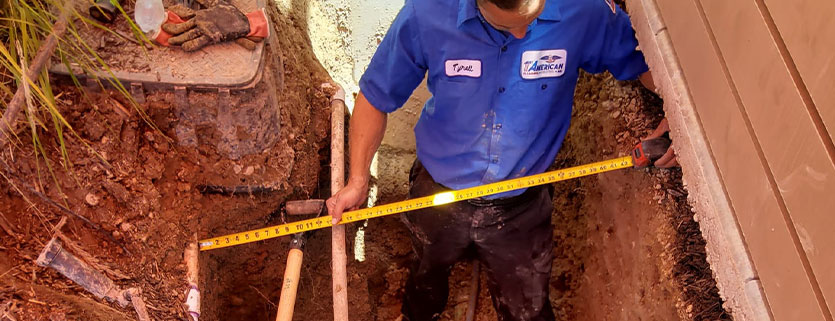
8 Symptoms that Your Water Main is Leaking

main water leak repair

Your water main brings clean water into your home from your city’s public water supply. This main line runs underground, and if a crack or leak occurs in this main line, it can be difficult to identify immediately. These lines run at least 3 feet below ground, which means unless you know what you’re looking for, you won’t find the problem unless you dig deep to view the line. If you’re worried you might have a leak in your main line, we’ve put together this list of 8 symptoms that your water main is leaking.

1. Water Bill Increasing

A top symptom of a water main leaking is the increase in your monthly water bill. Unless you’ve had visitors staying in your home or you’ve started doing more laundry or taking more showers, you should typically see the same range of charges each month on your bill. If that amount has increased, especially if it’s by a substantial amount, you should contact your local friendly plumber to help detect if your main line is leaking.

2. Mold and Mildew

If a leak in your water main is small, the water will slowly seep from the pipe, and that water can soak into drywall, wood, or plaster in your home. When moisture like this accumulates in one area, mildew can develop as well as mold spores. You may be able to see obvious signs of a water leak which include bubbling wall paint, discolored spots on ceilings or walls, or damp floors or trim. Contact your professional plumbing company for help.

3. Odd Smells

Mold and mildew have a distinct smell, and it can hide under floors or behind walls. Because of this, it’s important to pay attention if you notice any strange smells in your Sandy home. It’s also important to keep an eye on the water coming from your faucets, because if the main line is broken, contaminants could be entering your home’s water supply. If your drains are clogged, a plumber can help you with drain cleaning. But, if the water coming from your taps start to smell odd, contact a plumber immediately to investigate.

4. Changing Water Color

As we mentioned above, if you have main line water leak, contaminants can enter the water that comes into your home through your plumbing. When the color of the water coming from your taps is a murky yellow or brown, or there’s debris that’s visible, these are indicators that you need a plumber immediately. A trustworthy plumber can identify the leak and help to advise you whether you need a water line flush or a line repair.

5. Foundation Cracks

If your water main is leaking, water can begin to seep into the porous materials that form your home’s foundation. This can cause your foundation to crack, eventually leading to crumbling, which could be dangerous and expensive. If you see your foundation of your home has cracks or splits in the concrete, contact an emergency plumber as soon as possible to correct the issues before this causes structural problems and can cause expensive damages to your house.

6. Low Water Pressure

Occasionally you may notice dips in your water pressure if you’re doing laundry or someone is showering at the same time you’re running your faucet in your home. But, if you notice you’ve lost water pressure overall in your home, even when no one else is using a water source at the same time, you likely have a water main leak. A skilled plumbing professional can help you stop the leak quickly and examine your water main to determine if a leak is the cause.

7. Puddling Water

One of the easiest ways to see if you have a plumbing leak is when you find dampness or puddles of water in or around your home. If you find the same areas continuing to show wetness such as around your sinks, water heater, washing machine, or outside of your home, without an explanation, it’s a sure sign your water line has a crack in it, and you should call your Sandy plumber immediately.

8. Recurring Clogs

The drains in your home can tend to clog over time, due to the mineral build up and drain debris. This is typical and can require drain cleaning to keep the lines running clear. But if you’re finding your drains in your home clogging constantly, even after you’ve cleaned the drains thoroughly, it can be a sign that water is leaking somewhere inside your home. Contact your plumber for drain cleaning immediately.

One option to help you as you investigate whether you have a water leak is to contact your local water company and request that they turn off the water at the curb valve outside your home. They may send an emergency team to assist you, or they might give you instructions on how you can shut off the water for your home. This will give you time to assess a few things.

If you’d rather seek professional help after you’ve noticed any of the above symptoms or indications of a water main break at your home, rest assured that your local trustworthy plumber can also help you. The expert plumbers at 1st American Plumbing, Heating & Air can not only help you identify the leak, but they can help you repair the leak as quickly and as efficiently as possible. Contact 1st American Plumbing, Heating & Air at (801) 477-5818.
[/av_textblock]

5 Traits of a Good Plumbing Company

Best Plumbing Company Salt Lake City

Any time you ask an outside contractor to come into your home to perform services, you want to make sure you’ve chosen a highly qualified, reputable company who will work hard for you and your home. After all, you’re inviting their employees into your home, and you want to feel safe and well taken care of. So, what are the traits of a good plumbing company? We’ve compiled a list of traits for you to look for as you’re looking for Salt Lake City plumbing repair, so you can feel good about your choice in a plumber.

1. Experience

Just like you wouldn’t want someone performing surgery on you who isn’t medically qualified, you don’t want to choose someone to work on the plumbing in your home who isn’t experienced with various plumbing issues that can arise. The best plumbers in Salt Lake City will have the right equipment and the right knowledge to solve most plumbing issues.

One way you can judge a plumbing contractor in Salt Lake City is to check their online reviews. If high numbers of customers are leaving 5-star reviews with messages singing the praises of the technicians and the company, you can be assured they’re skilled plumbers in Salt Lake City. Reviews are a big way to validate the experience of the organization and its team members, which leads us to trait number two:

2. Reputation

What people say about a plumbing Salt Lake City company is worth its weight in gold. As we mentioned earlier, reviews are an easy way for you to learn a lot about the plumbing contractor Salt Lake City. It’s important they are providing only the best service to their customers and that their customers are comfortable enough to leave reviews. When a customer is over-the-top happy with the plumbing services that they received, they want to share their good experience with everyone. So check out those reviews on their website, on Google, and on social media.

Another way to evaluate the reputation of a Salt Lake City plumbing repair company is to pay attention to what their current and past employees and technicians say about their employer. A reputable plumber in Salt Lake City will treat their employees as good as they treat their customers.

3. Punctuality

Your time is important, and your Salt Lake City plumbing repair technician should respect it—which means being on time. Lots of plumbing companies give a window of service their technicians will arrive to your home, but a good plumbing contractor in Salt Lake City will set a precise time and arrive on time or early. Just because you’re needing service in your home, it doesn’t mean you need to be available all day from 8:00 am until 5:00 pm, waiting for plumbers to arrive.

If by rare chance the plumber can’t make it to your house on time, a quality professional Salt Lake City plumbing repair company will make sure to call ahead of time. When a company shows this type of professionalism, it shows you are working with a plumbing Salt Lake City company who values you as a customer.

4. Provide Estimates

When you’re anxious about a repair that needs to happen in your home, there’s nothing worse than an open-ended plumbing repair bill. Plumbing contractors in Salt Lake City should be able to provide any potential customer with an estimate of the work they recommend. This gives the homeowner time to decide on the upcoming repairs and look for additional estimates if they find that necessary.

Part of receiving an accurate estimate is understanding the rationale behind the price. The best plumbers in Salt Lake City put all of this information together and explain the estimate to their customers in detail, if needed. If you receive an estimate without any justification about the need or the why, you may not be dealing with a reputable plumbing contractor in Salt Lake City.

5. Friendly

The way a plumber behaves can reveal a lot about the person and the plumbing Salt Lake City company. When the plumbing contractor creates a friendly environment in the workplace, those attitudes carry forward into their customer’s homes. The best plumbers in Salt Lake City put their customers at ease and give them workable solutions, no matter the severity of the problem.

Customers feel comfortable with friendly, knowledgeable plumbers Salt Lake City. A reputable company won’t pressure you into making decisions or spending money. Instead, they’ll offer their opinions and inform you on your options, but they’ll leave the decisions up to you.

If a Salt Lake City plumbing repair company is friendly and honest, their customers will keep returning to them for all of their plumbing needs, and they’re happy to share their experiences with friends and others.

Now that you understand the important traits of a good plumbing company, you can hire a plumber in Salt Lake City without second guessing yourself and if you’re selecting the right plumber for your home. The quality plumbers at 1st America Plumbing, Heating and Air are here to answer any questions you might have about any upcoming plumbing repairs inside your home.

Whether you’re replacing a water heater, installing a water softner, or you’re considering hydro jetting your plumbing drains to clear them of debris, 1st American Plumbing, Heating and Air can help you with all of your plumbing needs. Feel free to reach out to us at (801) 477-5818, or reach out to us by filling out our contact us form here.

We look forward to helping your with your plumbing needs and building a long-standing relationship as your plumber Salt Lake City.
[/av_textblock]

7 Tips for New Homeowners

new homeowners plumbing

Moving into a new home is such an exciting time. There’s lots of plans to make, deciding where to put furniture and how to decorate, but there is lots of responsibility that comes with homeownership as well. You want your home to be a beautiful and safe place to live, and as a new homeowner, you’ll want to fix any issues you have. Those include minor plumbing problems. To help you as you start your homeowner journey, we’ve put together 7 tips for new homeowners below:

1.  Understand the Signs of a Water Leak

Water leaking can cause a lot of damage if they aren’t identified early, so understanding what a water leak looks like is very important for you as a new homeowner. Signs to look for include dripping sounds, discolored ceilings or walls, bubbling paint, and damp sheetrock. Another way to identify a leak is by paying attention to your water bills—if you see an abnormally high amount, it’s likely you have a leak somewhere in your home.

2.  Know Where to Shut Off the Main Water Valve

If you see a water leak inside your new home, it’s important to understand where your water shutoff valve is located. It’s very important that you shut off the water and stop the flow right away to save you precious time and money. Even if the leak is minor, turn off the water so the leak stops immediately to give you time to examine the problem or call in a plumber for more help.

3.  Clean Drains to Prevent Clogging

Lots of items can block drains inside a home, things like soap, hair, grease, and oil. If you aren’t careful, these items can cause clogs in your plumbing and cause major problems down the road. If you’ve purchased an existing home with previous homeowners, you may have already inherited clogged drains, which is why it’s important to clean the drains first to prevent future clogs.

You can use a plunger to push current clogs down the drain or call a plumber to clean the drains to give you a fresh start in your home.

4.  Weatherproof the Pipes

Here in Utah, we can experience some very cold winters, and some homeowners are left to deal with pipes freezing. Frozen pipes can be dangerous and bursting pipes can happen, which leaves you as a new homeowner with maximum damage to clean up and repair.

To avoid this, consider insulating your pipes, especially those on external walls, with heating tape, fiberglass, or foam insulation to avoid pipe freezing. Opening cabinets and turning on the faucet to a slow drip on extra cold nights can also help.

5.  Learn Basic Plumbing Maintenance

Basic parts of toilets and faucets wear out over time—the toilet flapper gets worn out as do washers in faucets. As they wear down, toilets begin to run, and faucets start to leak. Some homeowners look at these small leaks as unimportant items, but the wasted water isn’t good for the environment, and they are also money wasters.

Each of these basic parts are easily replaceable and not something to be intimidated by. You can pick up basic plumbing parts at your local home maintenance store, and you only need basic skills to replace these items.

6.  Respect Your Garbage Disposal

If you’re a homeowner who is lucky enough to have a garbage disposal in your home, it’s important you understand how to use it correctly. Materials like eggshells, fats, greases and oils, or starchy items such as pastas or potatoes should never be processed through your garbage disposal. Each of these items can cause clogs, so be sure you’re clearing clogs often if they happen.

When you flush items down your disposal, you should run cold water down the drain as you turn on and run the disposal. To keep the blades sharp, put some ice cubes in the disposal periodically and run it.

7.  Have a Plumbing Kit Ready

Now that you’re a homeowner, you should always have a basic plumbing kit ready. This kit should include items such as a plunger to unclog drains, a small drain snake to clear hair clogs easily, heavy duty towels to clean up leaks, duct tape to put around leaks in a pinch before you call a plumber. Having this kit handy can help you quickly when you’re dealing with minor plumbing issues.

If you’ve followed these tips above and are still having issues with your plumbing, the expert technicians at 1st American Plumbing, Heating & Air are here to help. Homeownership is exciting, and your home is a big investment, and a plumbing issue is something you don’t want to ignore. Take care of it the right way. Call our offices at (801) 477-5818 for help, and we’ll send one of our trusted technicians to assist you.
[/av_textblock]

The Do’s and Don’ts of Cleaning Your Toilet

cleaning the toilet

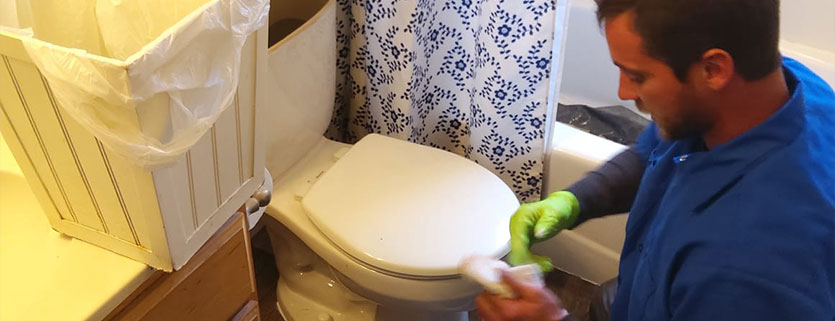
Regular toilet cleaning timelines differ from household to household. Some people include cleaning their toilets in their weekly cleaning routine, while others only bother to pull out their scrubber when the toilet shows visible dirt or grime. Cleaning a toilet really isn’t as difficult as some people make it out to be, and there are important things to pay attention to as you shine up your household commode. Below we’ve listed a few dos and don’ts of cleaning your toilet that every homeowner should follow.

Do: Clean Your Toilet Weekly

Although your toilet may look clean to the naked eye, trust us when we say it’s not. As we mentioned above, bacteria and mold love a damp toilet bowl. If you have multiple people living with you, your toilet is probably the most used seat in your home! Because of the repetitive use, you should clean the toilet weekly, if not a few times a week. Toilets get grimy quickly, and you want to make sure you tackle any dirt or bacteria before you can even see it.

Don’t: Ignore Your Toilet

Avoiding your toilet except for your regular “visits” to the throne will inevitably leave you dealing with multiple issues in the long run. If you aren’t cleaning out your toilet bowl, mineral stains can occur, which traps dirt and bacteria, all of which can gather and be built up over time. If you choose to ignore these stains, mold growth is another issue you’ll be dealing with because of all the bacteria in your bowl.

Do: Invest in Quality Cleaning Products

Just like you need to purchase a new toothbrush often for your mouth, an over-the-hill toilet brush isn’t something you should keep in your closet for years and continually use it to clean multiple toilets in your home. Rotate out the old and bring in a new brush every 3-6 months to keep your cleaning tools ship-shape. Use a quality toilet-bowl specific cleaning spray and scrub well inside the bowl and under the rim.

Don’t: Use Toilet Cleaning Tablets

You know what they say—if something seems too good to be true, it probably is. The idea of toilet cleaning tablets, the kind you put in the toilet bowl and forget, is great at first, but they contain harmful, caustic chemicals and aren’t good for your plumbing. These tablets (bleaching or blue) sit in your toilet bowl and can eat away at important parts of your toilet, leaving your plumbing needing major repairs. Regular cleanings the old-fashioned way—cleaner, a good brush, and a little elbow grease—are the best thing for your toilet.

Do: Clean the Exterior of the Toilet

When you’re performing your regular cleaning of your toilet bowl, always include the toilet exterior, seat and lid as part of your disinfecting routine. Select an exterior cleaner that kills bacteria and germs, and scrub down the exterior bowl from top to bottom with a sponge or rag. Use a new towelette to sanitize the seat and lid, because these are often overlooked areas of a toilet. Once you’ve finished cleaning the exterior, dispose of your towelette or wash your sponge or rag so you don’t spread germs the next time.

Don’t: Use Flushable Wipes

Here is a list of potential cleaning items that you shouldn’t be flushing down your toilet. Your plumbing and septic systems will last longer, and you’ll prevent a potential backup from occurring.

  • Flushable” wipes (Trust us, they’re not flushable.)
  • Paper towels
  • Napkins
  • Cloth products
  • Cotton balls and swabs

Have you been ignoring your toilet more than you should? Did our dos and don’ts of cleaning your toilet tips help you understand how important it is to take care of cleaning on a regular basis? Cleaning your toilet isn’t as difficult as you might think. If you have questions, or you need an experienced plumber to inspect your toilet to see if your issues are bigger than a typical cleaning will fix, don’t hesitate to contact us at 1st American Plumbing, Heating & Air. Our qualified technicians are here to help answer any questions you may have.
[/av_textblock]

DIY Water Damage and Flood Restoration Cleanup

water damage and flood restoration cleanup

One of the most traumatic things you can experience as a homeowner is extreme damage to your home from an event such as flooding. Your home is likely the biggest purchase you’ve ever made, and it contains most, if not all, of your property. Besides the immediate damage to your home and personal belongings, flooding in a residence can also expose you and your home to environmental hazards like mold, so you want to be sure you’re handling the cleanup thoroughly and correctly.

Below, we discuss how to address issues in your home if you’ve experienced a leak or flood, and what to do so your insurance claim and cleanup are handled effectively.

Act Quickly

When you discover a leak in your home, the most important thing is that you act quickly. Leaks can occur because of broken or corroded pipes, appliance issues or defective construction related issues, and if you choose to ignore them, your home could experience flooding or major damage.

If you are dealing with flood or water damage in your home due to a plumbing issue, immediately turn off the emergency main water shutoff to prevent further damage as long as it’s safe to enter your home, then contact someone for restoration help.

Document the Damage

Don’t start cleaning up your soaked belongings immediately after discovering the water damage. If it’s safe, take photos and make note of all items and details of the flooding for the insurance company. The more thorough you can be, the more likely your insurance claim will be accepted. Going through a professional mitigation company will increase your chances as well, because they have experience documenting this type of situation.

Pay attention to walls and floors—if you see damage, this is an indicator of structural damage, and you shouldn’t enter your home. These areas are at risk of collapse, and you want to stay safe.

File an Insurance Claim

Once you’ve documented all of the damage, it’s time to report the flood and damages to your home insurance company. If the flood was caused by a natural disaster, and you have flood insurance, you’ll get the financial help you need from your insurance company. Any flooding caused by a broken pipe, sewer backup or appliances should be covered as well.

Your insurance company will rely on the photos and the descriptions you documented in the step above to determine replacement, so be as thorough as you can.

Get Professional Cleanup Help

The cleanup in your home should happen immediately. Waiting can cause mold and mildew growth in your home, which will require professional services to clean up the mess correctly. When you contact the professionals at 1st American Heating and Air, we can help you identify where the leak began and have our professional partners handle all of the cleanup. This includes:

  • Removing Personal Belongings
    • Your damaged personal items need to be removed and safely stored until your home repair process is complete. If they are salvageable, your belongings will be stored at a secure facility and reset after the mitigation and reconstruction process has been completed.
  • InfraRed Review
    • We use Forward Looking InfraRed equipment to see temperature fluctuations behind drywall to identify additional leaks so we can repair any issues that are unseen.
  • Extract Moisture
    • Your home will be cleaned with commercial grade dehumidifiers, to ensure the moisture is extracted from affected areas.
  • Safely Clean the Space
    • Commercial Grade HEPA Air Scrubbers are used to remove dangerous airborne particles such as mildew and mold spores.
  • Air Quality Testing
    • Thorough Air Quality Testing will verify that the property is “safe” to return to even before the restoration process is complete.
  • Antimicrobial Treatment
    • An antimicrobial treatment is applied to the space to prevent dangerous microbial growth on structural items that weren’t removed during demo.

No matter what the reason is for your home experiencing flooding, it’s never easy to go through. But working with professionals can definitely make the process easier. If you’ve experienced flooding in your home due to a plumbing issue, 1st American Plumbing, Heating and Air can help. Contact them today by calling (801) 477-5818.
[/av_textblock]

6 Signs That It’s Time to Replace Your Toilet

toilet repair replacement

Toilets are important fixtures in a home, and they’re used often by multiple members in a household. While we would all like it if toilets lasted forever and never needing replacing, that’s just not true. Toilets last an average of 10-15 years, and if you’re experiencing issues with your toilet, that could be sooner. So how do you know when it’s time to replace your toilet? We’ve gathered a list below detailing six important signs that it’s time to change out your old toilet for a new one.

Continual Clogging

Clogs in your toilet can be messy, frustrating and even stressful. While random clogs can happen on occasion, recurring clogs that happen regularly are a sure sign something bigger is going on. It could mean there’s something more than a small toy or too much toilet paper blocking the water, and it’s time to call in a professional.

Also, older low-flush toilets don’t move materials through the pipes easily so frequent stoppages are more common. Mineral deposits could also be building up, which slows water flow and draining. New models of toilets have been created with much better technology and water savings have been highly improved so flushing is more consistent and less troublesome.

No Longer Flushing

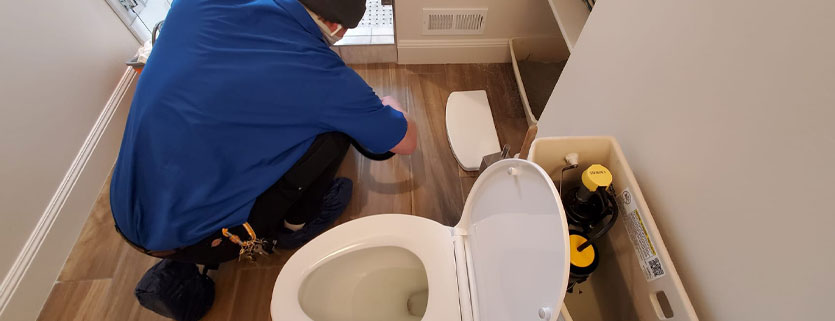
If your toilet doesn’t flush like it used to, there are a few things you should check out. First, check the handle to ensure it’s attached to the flapper. As you depress the handle, the chain lifts the flapper and water should rush through the bowl.

Check these items first. If you find that the internal parts are working correctly and your toilet still won’t flush, it could be time to replace your toilet. Remember that toilets aren’t meant to last forever.

Cracks and Leaks

Invisible hairline cracks, bad seals and small leaks in your toilet can often go unnoticed. But once water begins gathering around the base of the toilet, the flooring can soften and floor damage can happen.

Porcelain is a sturdy material, but it can still wear down. If you see even a small amount of water at the base of your toilet, check it out immediately. If the leak becomes constant, a new toilet should be in your future.

Old in Age

In 1992, the Environmental Protection Agency passed the Energy Policy Act that requires residential toilets use no more than 1.6 gallons of water for each flush. Today’s low flow toilets use approximately half of that amount.

If you’re environmentally conscious, replace your toilet to save on water usage. There are many homeowners that still have older models in their homes, and it’s wasteful plus costly. A new toilet can save 2 or more gallons per flush than an old one, so schedule to get a replacement soon.

Constant Running

When your toilet constantly runs, the common culprit is an old flapper or the float isn’t set correctly. It could also mean you have a water leak somewhere and the toilet needs to be checked more thoroughly.

When you’ve checked the flapper and float and still experience the running noise day and night, call our experts at 1st American Plumbing, Heating & Air as soon as you can. The constant running will be an expensive problem until you replace your toilet.

Wobbling

When a toilet wobbles as you sit on it, there could a few reasons behind the rocking. The first reason could be that the screws at the base of the bowl have become loose. Tightening the screws could fix the issue quickly.

A more serious reason toilets wobble is because of water damage that has occurred in the floor beneath the toilet. This causes screws to not hold the bowl tight to the floor. If you can’t determine the reason behind the wobble, you may need a new toilet.

Each person in a home uses the toilet 6-8 times per day. So you need your toilet to be dependable and working correctly. If your toilet requires a few repairs, that can be normal. But when those repairs occur more frequently, this could be a signal that you should call your local plumber. The expert technicians at 1st American Plumbing, Heating & Air will come to your home and investigate your toilet troubles.

Call us at (801) 477-5818 and schedule your service today.

7 Signs That Your Water Heater Might Be Failing

water heater repair & replacement

Your water heater is a plumbing fixture in your home that you probably don’t pay much attention to. Unlike your faucets or shower, which you turn on and off daily, your water heater works behind the scenes for you. If your water heater starts failing, you may not recognize some of the warning signs as quickly as you should.

Before you get left standing literally in the cold, freezing during your morning shower because your water heater isn’t working correctly, check out this list of 7 signs that your water heater might be failing you.

Not Enough Hot Water

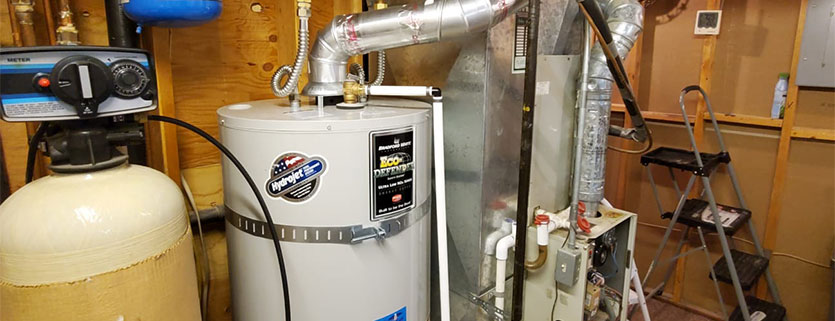
Your water heater has two heating elements in the unit and heats multiple gallons of water at any time. A typical hot water heater can output 30-40 minutes of hot water before needing to refill and reheat.

If you find that you’re not getting near that amount of hot water from your water heater, it’s highly possible that one of your heating elements isn’t working correctly. Run a test and time the number of minutes it takes to run out of hot water. If it’s less than 30, contact the specialists at 1st American Plumbing, Heating & Air, and we’ll send someone out to inspect your water tank for you.

Inconsistent Water Temperature

Fluctuating water temperature is a good indication that something is going wrong with your water heater. This typically stems from the accumulation of mineral deposits over time. These mineral deposits cover the heating element, making heating the water more difficult than it should be.

If your unit is fairly new, the experts from 1st American Plumbing, Heating & Air can repair your water heater. But if it’s an older model, you’re most likely better off replacing your tank. Call our experts today if you need a recommendation of what to do.

Discolored Water Coming from Faucets

When the color of water coming from your faucets is anything but clear, it should be a cause for concern. Sedimentation in your hot water tank can cause your water to appear orange or brown, which could be a health hazard.

Contact a qualified plumber immediately and ask if they can come and examine your water heater. Your tank may need cleaning, or it may be time to replace your water heater.

Odd Noises Coming from the Heater

Small noises coming from your water heater can be perfectly normal. If you start to hear sounds like tapping or knocking coming from your water heater, it’s likely you have sediment buildup in the tank. This buildup can cause small tears and cracks in the metal tank, causing it to leak, which could cause damage to your home and end up being very costly.

If you’re concerned about the noises coming from your water heater, contact 1st American Plumbing, Heating & Air to evaluate your tank. It may only require a tank flush and a minor cleaning.

Water Leaking from the Tank

As we mentioned above, noise causes cracks and tears in your water heating tank. When these cracks and tears occur, water leaks from the tank. These leaks can be small, and often unnoticeable, but other times they can be large and flood your home quickly.

If you happen to notice a small leak, have it repaired quickly. Ignoring even the smallest amount of water pooling at the base of your water heater could mean a bigger problem is lurking.

Low Water Pressure

If the sediment and minerals are building up in your water heater, the inside of your water tank could be corroding. All of this corrosion eventually settles near the bottom of the tank, but sometimes the sediment can get pulled up into the water supply line and will cause a blockage. This blockage lowers the water pressure that’s being output.

Also, the older your water heater, the more likely it is that you will experience low water pressure.

Age of Water Heater

If your water heater is more than 10 years old and your water heater is showing any of these signs above, it’s probably time to replace it. Most water heaters last ten to fifteen years. If you’ve got a lot of people who use water in your home, that lifespan could be shorter.

If you’re experiencing at least one or more of these signs above, you should contact the experts at 1st American Plumbing, Heating & Air at (801) 477-5818 or by filling out this online form. Not only are our expert technicians the most trusted in the valley, but we will respond to you in a timely manner and get you on our schedule as soon as we can.

Why Winter is the Best Time to Remodel a Bathroom or Kitchen

Bathroom or Kitchen Remodeling

When the warmer months of spring and summer come around, most homeowners can catch the remodel bug. Naturally, this seems like the best time to undertake big projects like a kitchen or bathroom remodel–the weather is nice and construction is booming. But did you know that many home experts recommend kitchen and bathroom remodels take place during the winter?

If you think that winter is an unusual time to take on these big projects, keep reading. In this article, we go over some of the top reasons winter is the best time to plan for your new kitchen or bathroom remodel.

Why Choose Winter for a Remodel
                              

Contractor Availability

In the warmer months, contractors and their teams work from dawn until dusk. Timelines are often pushed, and projects can run behind schedule. Top contractors can be booked out for months. If you’ve got a kitchen or bathroom remodel you’re planning during these busy seasons, your chances of getting the contractor you want may be slim to none.

Project Completed Faster

As we mentioned above, timelines in the spring and summer can be hectic for contractors, suppliers and their teams. When you’re working on a kitchen or a bathroom remodel in the winter, there’s a better chance that your project will get completed on time or maybe even a little early.

Lower Priced Materials

When building slows during the winter months, materials such as lumber, tile and appliances tend to drop in price. The hectic summer months deplete supplies, so prices rise because of lack of availability. Planning your kitchen or bathroom remodel for the winter will help you cut back on costs, saving you hundreds to thousands.

Quicker Approvals

Local governments expect contractors and builders to follow clear standards when they’re taking on construction projects. These keep worksites safe, ensuring teams adhere to regulations and specifications. During warm months, these government agencies get bogged in processing permits, which will delay your remodel. If you’re doing the work in the winter, you will get approvals quicker.

Coordinate with Travel

If you’re planning a kitchen or bathroom remodel in the winter, you should consider doing so during your holiday travel. Afterall, when you and your family are out of your home, this gives contractors more space to work and the mess can get cleaned up before you’re back. Check-ins via Facetime can make the project feel like you’re right in the action.

New Year, New Project

If you’re not a big traveler during the holidays and prefer to entertain at home, you’ll want to delay your kitchen or bathroom remodel for the new year. After your visitors have departed, and the chaos has died down, you can focus solely on the remodel and adding value to your home.

Now that you know winter is the best time to remodel your kitchen or bathroom, it’s time to get ready to plan your project.  Here are 4 steps to consider before you jump right in:

1. Write Down Your Wants and Needs

There are many reasons people begin thinking about a remodel. Whether you need more storage space, or want to upgrade your appliances or style, you should first document your wants and needs. Yes, you may want a clean, modern look but does it go with the rest of your home? Or are your kids soon leaving the nest and you’d like the big, 10 head shower you’ve always dreamed of? Write them all down then determine what you can afford.

2. Make a Timeline

Now that you’ve determined the winter is the best time for your kitchen or bathroom remodel, start to plan your timeline. Research the details and products you want, and investigate the timing of material arrivals. Custom products tend to take longer to arrive, so you want to be sure everything will be available for your contractor.

3. Create a Budget

Now that you’ve identified what you need for your kitchen or bath remodel, start adding up the items you’ll need in your space. You should have a general idea already how much you can spend on your remodel, so this is an important step. Knowing beforehand what you can spend will help you determine if the sub-zero refrigerator you’ve always wanted is a realistic purchase.

4. Research Contractors and Design Professionals

The most important step in planning your kitchen or bathroom remodel is researching contractors and design professionals. If the steps above start to overwhelm you, these experts are a great resource for you to get your project planning started. They will also help you get your project started and completed on-time and on-budget. Check out local recommendations by asking friends or family, or research reviews online for more information.

Remodeling your kitchen or bathroom can be an exciting time to upgrade your space and make it look like the room you’ve always dreamed of. If you’re looking to do a remodel by updating faucets or fixtures, the experts at 1st American Plumbing, Heating & Air can help! Contact us by calling (801) 477-5818 or by filling out this form here.

6 Benefits of Tankless Water Heaters

tankless water heater

Homeowners rely heavily on hot water in their homes. From laundry to baths, hot water is in high demand, especially when multiple people live in the home. When you have a traditional water heater, you are limited to the amount of hot water in your tank. This requires waiting for the tank to fill and heat again. The cost to heat your water can be one of your largest utility expenses, which is why we recommend considering a tankless water heater.

Traditional tank water heaters continuously use energy to keep the water hot, ready for use. Tankless water heaters only expend energy when a tap or the dishwasher is turned on. These tankless systems are becoming more popular today for many reasons. To help you decide if a tankless water heater is for you, we’ve given you a list of 6 benefits below.

Less Space Requirements

The conventional storage tank water heater holds 40-60 gallons and is on-average 5 feet tall. They take up a good amount of space in your utility room, space that could be better utilized for storage or other things. A tankless water heater is approximately the size of a small suitcase, which means there’s lots of room left for other things.

When you’re selecting a tankless system, take into account the size of your home, the rate of water flow and temperature you prefer, and your household size. You want to make sure you have a large enough system to do the job correctly and you have allotted the right amount of space.

Energy and Cost Savings

When a home uses 41 gallons of hot water per day, tankless water heaters can be 24%-34% more energy efficient than traditional water heaters. For homes that use approximately 86 gallons per day, the energy savings can be up to 14% more.

Some homeowners are hesitant to invest in a tankless water heater because of the high cost. Don’t let this be the reason you pass over an on-demand system. They typically have lower operating and energy costs. This is a big offset and can save you money in the long run.

Unlimited Supply of Hot Water

When you’ve got a house full of people, whether it’s visitors for the holidays or you’re blessed with lots of kids, it can put a huge demand on your hot water resources. Between the cleanup of dishes after meals and the numerous showers that are taken each day, your tank water heater will be slowing down and the water will run cold quickly.

Each tankless water heater works by heating the water on-demand from an external source. They don’t use the water in the storage tank. These tankless heaters provide hot water near the rate of 2-5 gallons per minute. As long as there aren’t multiple showers going at the same time, the water should be hot enough for everyone.

Cleaner Water Supply

Standard water heaters can have water sitting in the tank for a long period of time. Sediment buildup and rust contaminants can seep into the water from the interior of the tank. No one wants to bathe or cook with contaminated water.

Since tankless water heaters heat on-demand, the water doesn’t sit in the tank waiting to be used. This keeps the water cleaner and safer for everyone in your home.

Lower Risk of Leaks and Water Damage

In a tank system, small leaks can happen. No matter how small they are, it most likely means there are big problems going on inside. As we just mentioned above, tankless water heaters heat on-demand. There aren’t dozens of gallons of water sitting in a metal container corroding the tank. Because of this, leaks due to corrosion don’t happen with tankless systems.

Zero Risk of Tank Exploding

Water heaters exploding can be terrifying. The main reason tank water heaters can explode is because of pressure. Sediment buildup, a gas leak, or a poor anode rod can cause excess pressure on those systems. As we mentioned above, tankless water heaters heat on-demand. With no water sitting in a metal container corroding the tank, there’s no risk of leaks.

As you can see, there are lots of advantages of upgrading to a tankless water heater. If you’re in the Salt Lake Valley and want to learn more about tankless water heaters, or if you’re ready to have one installed in your home, the expert technicians at 1st American Plumbing, Heating & Air would be happy to help you. Contact us at (801) 477-5818 or use our online form here.