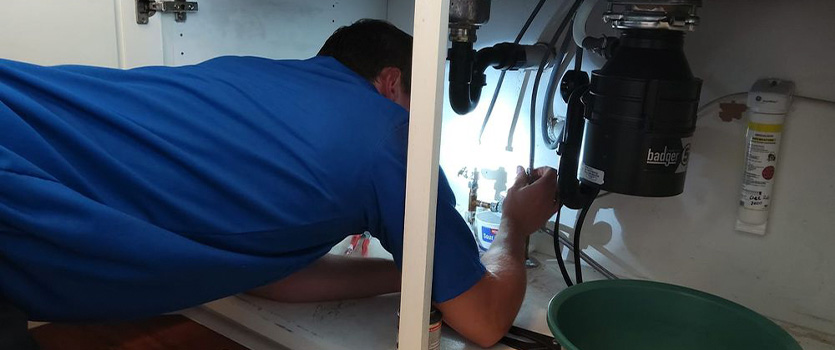
How to Unclog a Garbage Disposal in 5 Easy Steps

install garbage disposal

[av_slideshow size=’featured’ control_layout=’av-control-default’ conditional_play=” animation=’slide’ transition_speed=” autoplay=’false’ interval=’5′ lazy_loading=’disabled’ alb_description=” id=” custom_class=” av_uid=’av-km15zlrh’]
[av_slide slide_type=’image’ id=’1391′ video=’https://’ mobile_image=” fallback_link=’https://’ title=’How to Unclog a Garbage Disposal in 5 Easy Steps’ video_ratio=’16:9′ av-medium-font-size-title=” av-small-font-size-title=” av-mini-font-size-title=” av-medium-font-size=” av-small-font-size=” av-mini-font-size=” heading_tag=” heading_class=” link_apply=’image’ link=’page,334′ link_target=” av_uid=’av-31b7qd’][/av_slide]
[/av_slideshow]

[av_textblock textblock_styling_align=” textblock_styling=” textblock_styling_gap=” textblock_styling_mobile=” size=” av-medium-font-size=” av-small-font-size=” av-mini-font-size=” font_color=” color=” id=” custom_class=” template_class=” av_uid=’av-km13wi4a’ sc_version=’1.0′ admin_preview_bg=”]
Fifty percent of homes in the United States have garbage disposals installed in their kitchens. These disposals make clean up in the kitchen much easier, because they take solid food waste and grind it into small particles, turning it into an almost liquid substance.

When there isn’t enough water running into the disposal as it’s being used, or excess grease or foreign objects enter the garbage disposal, the two impellers inside the garbage disposal can stop working and the drainpipe can get backed up. It’s important that you unclog your garbage disposal as soon as you realize it’s clogged, because running the motor without clearing the clogged garbage disposal can burn it out.

Unclogging a garbage disposal can seem intimidating at first, but it’s not as difficult as you may think. Below we’ve detailed how to unclog a garbage disposal in 5 easy steps.

1. Turn off the Power

When you work on anything with an electrical plug, such as a garbage disposal, it’s important to shut off power. There is a switch for your disposal you should turn off. Typically, this is under the cabinet or on a wall near the disposal. Once you’ve done that, unplug the garbage disposal or turn the power source off at your breaker.

Avoid placing your hand down the drain or near the blades even when the power is off. Accidents have happened to many DIYers as they attempt garbage disposal repairs. If you’re uncomfortable with your abilities, contact 1st American Plumbing, Heating and Air and we can help.

2. Check Inside the Disposal

Oftentimes when disposals stop working, it’s due to something blocking the impellers. Grab your flashlight and look inside the disposal for any obvious blockages or items wrapped around the blades.

If you notice an item that needs removal, use tongs or pliers to grab the object and remove it from the disposal. Turn on the water and try running the disposal again. If the blades still won’t turn, move on to the next step.

3. Use a Natural Drain Cleaner

Start by pouring a pot of boiling water down the drain, followed by a cup of baking soda. A few minutes after, pour a mixture of one cup hot water and one cup of vinegar into the drain and cover it. Let the cover sit for 10 minutes. Once you uncover the drain, rinse warm water down the drain and flush the mixture out.

Using the mixture of baking soda and vinegar creates a carbon dioxide liquid that bubbles through the clog. These bubbles help break up clogs and create loose materials that can then be flushed down the drain. The boiling water plus gravity helps create pressure in your pipes, removing the sludge from the pipes.

4. Plunge the Clog with a Plunger

Most homeowners own a plunger for toilet clogs in the home, but these plumbing tools can also be used on blockages in your sinks and disposals. Placing a plunger over the garbage disposal opening creates a vacuum, dislodging clogs.

If you have two sinks in your kitchen, start by plugging the non-disposal side of the sink. Press the plunger down over the disposal opening and fill the sink with a few inches of water. Vigorously plunge the drain for a few seconds and remove the plunger. Hopefully the water will drain. If it doesn’t, repeat.

5. Manually Rotate the Blades

With the power still off to your disposal, insert the proper sized Allen wrench into the hexagonal-shaped hole under the unit. Turn the wrench in both directions so the blades are loosened. You should try turning counterclockwise until the motor shaft stops turning, then switch to clockwise.

Moving the blades both directions often loosens debris, allowing you to twist the motor shaft freely in a full circle. At this time, you can also try pressing the red reset button on the bottom of the garbage disposal.

These 5 steps should help you to unclog your garbage disposal easily. If you find you’ve tried the steps above and are still experiencing issues with your disposal, it may be time for a new disposal. Contact 1st American Plumbing, Heating and Air at (801) 477-5818 for assistance inspecting in your garbage disposal.
[/av_textblock]
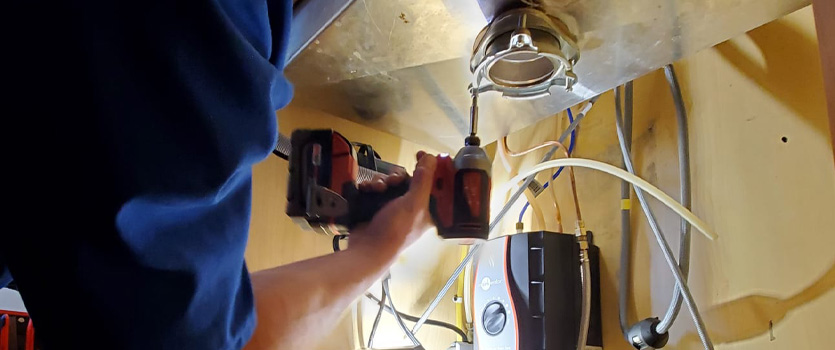
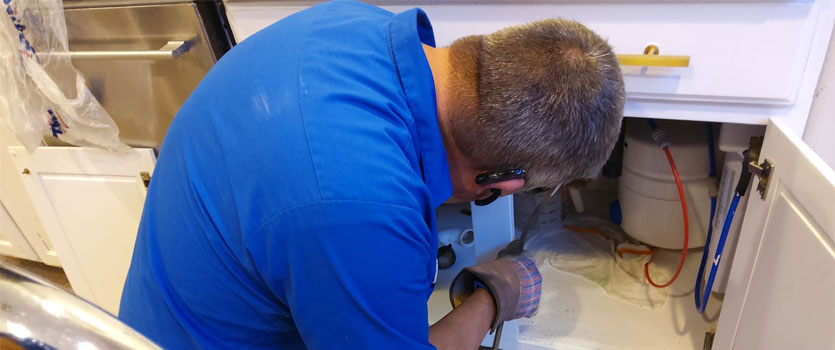
7 Signs You May Have a Plumbing Problem

plumbing problems

When you’re a homeowner, there are plumbing problems that can occur that can be easy for you to identify. Clogged sink drains back up, plugged toilets don’t flush, and each of these are easy for you to notice. But there are many times plumbing problems are taking place in your home and they aren’t so easy to identify right away.

In this blog post, we’re discussing 7 signs you may have a plumbing problem and how you can identify them. Pay close attention, because it’s important to catch these plumbing issues early so they don’t cause long-term issues or cost you lots of money in the long run.

Water Leaks

Unless you see or feel water damage or discoloration on your walls, floors, or ceiling, it can be difficult to identify a water leak in your home.  The majority of your plumbing is enclosed in the home and can’t be seen so it’s important you take note of any changes. Pay close attention if you hear water running or dripping and investigate accordingly. Follow the noise and track it down to see if you can locate a leak.

Another way to identify a water leak in your home is to pay close attention to your water bill. A sudden increase in your water bill can be an early sign that you have water running unnoticed.

Signs of Water Damage

As we mentioned above, changes in ceilings or walls are clear indicators you could have water damage. Early signs of water damage include peeling or bubbling paint, staining of wood or drywall, or mold or mildew inside your home. Water damage causes bad smells in your home and also exposes you and your family to health risks.

When suspecting a leak, be sure to also check your flooring for signs of water damage. This includes the corners of your home that can typically go unnoticed. Cracked ceramic tile or grout or peeling linoleum, warping or buckling wood or laminate, or wet carpet shows leaks that are reaching the flooring.

Sewer Line Backup

When you notice your shower drain is draining slowly, or there is residue left around shower or floor drains, this could be a clear signal of a sewer line backup. Some homeowners aren’t quick to act on slow-draining bath or shower drains, because they assume that hair or other debris is clogging the drain.

When you notice a slow drain in your home, it’s important you address the clog quickly and keep your drains clear to ensure you aren’t dealing with a bigger sewer line blockage. It’s easy to ignore a slow drain, but you shouldn’t.

Pressure or Buildup

Water pressure is a vital part of your plumbing system. When there’s too much pressure in your pipes, the pipe is under strain and can make a banging, whining or popping noise. This can occur in pipes or in the water heater and can typically be heard immediately after using the shower, sink or toilet. Pay close attention to any sounds that are unusual and call your trusted plumber to help.

Softener Failure

Water softeners purify and filter water in your home. Hard water has a high mineral content, and when your softener fails, you’ll start to see hard water build up on your fixtures. This could be because of a dirty filter, clogs, or the softener itself has failed. The softener could have a motor that’s stopped working and it may need to be replaced.

One way to avoid your water softener motor failing prematurely is to make sure you’re keeping your softener properly maintained and cleaned per the manufacturer’s instructions. It’s also important to empty it when necessary to keep it running the way its supposed to.

Service Line Break

Tree roots, extreme weather, and age are big reasons why service lines break or crumble. When a main service line (water or sewer) breaks, settling or sink holes that line up with the water main or the sewer lateral appear in the yard. If you notice the grounds around your home are uneven when they weren’t that way before, or you notice smells in your yard, you could be facing a line break.

These main line breaks should be reported to your local plumbing professional immediately, because they could require digging and heavy equipment. If you live in an older home, replacing older pipes may be necessary and an expert plumber can advise you on your course of action.

Bad Smells

If you notice bad smells coming from within your home, those smells certainly can’t be ignored. Sewer traps need a vent, and traps and drains are designed to prevent any sewer gas from entering your home. If you smell natural gas or burning rubber smells, these could indicate that your water heater thermostat could be overheating or you have a gas leak. Immediately turn off your power and/or gas and call your plumber for assistance.

If you’re experiencing any of these issues in your home, don’t panic. Once you discover the issue, it’s important that you call a trustworthy plumbing company like 1st American Plumbing, Heating & Air Conditioning at (801) 477-5818 to visit your home and inspect the problems.

Whether it’s water damage, clogged drains, a running sink, or a water main break, our professional service technicians are trained to identify your plumbing issue and assist you in preventing future issues that could be costly. Don’t wait, once you realize there’s an issue in your home, place the call.

7 Easy Tips to Prevent Clogs & Maintain Clear Drains

how to prevent clogged drains

If you’ve ever experienced having a clogged drain in your Utah home, you know that they are inconvenient and can oftentimes be an expensive fix if they aren’t handled immediately. Unless you built your house and your plumbing lines are brand new, you have no way of knowing how well drains have been maintained or what previous homeowners have poured down the drains in your home.

Below we’ve identified 7 easy tips for preventing clogs and maintaining clear drains in your home so you can avoid blockages and keep from having to use harsh chemicals to ensure your drains are clear and running correctly.

1.   Clean Drains Thoroughly

While it seems obvious that cleaning your drains should be the first step in keeping your drains clear and maintaining them, most homeowners don’t put drain cleaning on their regular home maintenance list. Ensuring your drains are clear and clean is just as important as mopping your floors or cleaning your toilets.

  • Once a week, lift sink stoppers in bathrooms and remove any debris that may have gathered on the stopper. Remove your bathtub and shower drain covers and clear any hair or debris, using a bent wire or small wire brush you can purchase at the store.
  • Once a month, clean your disposal by sprinkling a half-cup of baking soda into the drain and pouring 1 cup of vinegar into the opening. This will clean the blades. Pour some ice and table salt into the disposal and run for a moment to remove any grease or slime that have gathered on the sides of the disposal.

2.   Install Drain Covers

Placing mesh screens over your drains helps catch all food, hair, and other debris from washing down the drains in your home. This includes covering bathtub and shower drains throughout the home. Small items such as hair elastics, protective razor covers, and jewelry can easily slip down open drain unnoticed, and they can quickly block drains. These inexpensive drain covers are your first line of defense against drain clogs and can give you peace of mind that unnecessary debris isn’t slipping down your drains.

3.   Avoid Using Your Garbage Disposal

Home owners who have garbage disposals often flush many types of foods and liquids into the disposal thinking it can handle most of these items. That’s simply not true. While disposals can grind up large amounts of food waste, once those particles and grease make their way down your pipes, they can adhere to the sides of the lines, and over time, drainage will slow and clogs will occur.

  • Ideally, all food waste should be thrown out into your trash can. This includes high-issue items like coffee grounds, meats, egg shells, starchy foods like pasta and potatoes. After each meal, scrape left over food into the garbage can and avoid using your disposal all together. When it comes to using your disposal, when in doubt, throw it out!

4.   Dispose of Grease Correctly

Grease is an inevitable side-product of cooking in our homes. Hamburger, bacon, and even cooking oils we use daily can wreak havoc in your pipes if they are allowed to be flushed down your drains. Most people know how important it is to avoid pouring grease down their drains, but it’s still commonly done. In fact, the number one cause of kitchen drain clogs is food grease build up. Properly dispose of grease by:

  • Pouring grease into an aluminum container, such as a coffee can, and throw away the container once the grease has completely cooled. If you don’t have an aluminum container, take multiple sheets of aluminum foil and layer them, overlapping each other and the sides of the bowl. Pour the grease onto the aluminum foil and allow it to harden. Gather the aluminum foil ends and seal at the top and throw out the foil.
  • As a last step of protection, wipe all of your greasy pans down with a wet paper towel before placing them into the sink. This small chore will keep small particles of meat and grease from slipping down the drain and causing additional build up in your pipes.

5.   Rinse Pipes with Hot Water

Harsh chemical cleaners aren’t necessary to keep your pipes clog-free. When you’re done cleaning up after meal time, rinse your pipes with hot water to help any grease that may have slipped by liquify. Every few weeks, boil one or two gallons of hot water and dump it down your sink to flush out your pipes. This simple step alone can help your drains continue to run smoothly.

6.   Flush Sewage and Toilet Paper Only

An overflowing toilet due to a clog can be a frustrating situation for homeowners. Feminine products, flushable wipes, and using too much toilet paper are just a few reasons your sewage drains can back up and wreak havoc in your home. A strip of toilet paper should typically dissolve in the plumbing system within 24 hours. Flushable wipes can take weeks to dissolve and can also cling together in your sewer system, causing large blockages. Avoid these issues and don’t flush anything other than sewage and toilet paper.

7.   Keep Plumbing Tools Handy

No matter how careful you try to be in your home, you’re bound to experience clogs as a homeowner. Mishaps happen and toilets clog or things fall down the drain. Keeping a drain snake and a high-quality plunger in your home can help take care of the small issues that arise. Addressing these problems when they happen can help you avoid them becoming big, expensive problems in the future.

By following the tips above, you can prevent clogs and maintain your drains in your home with ease. If you’re experiencing trouble with your drains and you need reliable, experienced help in your home, contact the experts at 1st American Plumbing, Heating & Air at (801) 477-5818. We’re here to help answer any questions and provide valuable services for you and your home.

10 Tips to Get Your Home Ready for Spring

How to Get Home Ready for Spring

The Spring Equinox arrives every year around the third week of March. But when you live in Utah, chances are bad weather and snow continues through early April. Once the temperatures in Salt Lake City creep into the 60s, it’s a clear sign that it’s time to get your home ready for spring.

From prepping your air conditioner to deep-cleaning appliances, we’ve got 10 tips to get your home ready for spring so by the time summer rolls around, you can enjoy the warmer temperatures with your friends and family instead of worrying about maintenance around your home.

1.   Clean the Windows

Before you dash outside to begin washing your windows, be sure you choose a dry, cloudy day for this task. Washing windows in the sunshine will leave hard-to-remove streaks, and who wants that after a day of window washing?

Use equal parts of water and white vinegar in a spray bottle, or any household window cleaner, and don’t hold back when it comes to spraying the glass. Use a rag to thoroughly clean the window and follow up with a microfiber cloth to dry. The glass will be shiny and streak-free.

2.   Tune Up Your Air Conditioner

Your air conditioner is an important piece of equipment in your home that oftentimes goes unnoticed (not to mention is taken for granted)—until it stops working. Utah is a desert, which means summertime temps can reach into the 100s…that’s not the time you want you’re A/C unit dying on you.

An air conditioning tune up should be one of the first things you do each spring to keep your unit performing at full-capacity. Consistent annual checkups can not only extend the life of your unit, but it can also save you up to 15% a month on your energy bills.

3.   Clean the Gutters

Cleaning your gutters on your home is recommended twice per year. Heavy rains are common in spring and summer, so preparing now will keep your downspouts clear for those big storms.

If you’re comfortable on a ladder, completing this task should be fairly simple to tackle on your own. First, with gloves on, clear debris from the gutters. Have one bucket available for debris and the other to carry your tools such as brushes and trowels. Once the debris is removed, flush the gutters with a garden hose.

4.   Tidy Up the Garage

When you live in Salt Lake City, salt and dirt from the winter roads get tracked into your garage, leaving residue and stains. Once spring hits, thoroughly sweep out your garage to clear out the debris.

If there are any stains on the floor of the garage, mix one gallon of warm water with one cup of vinegar and a squirt of dish shop and pour the mixture onto the stains. Scrub with a stiff deck brush to remove the residue and rinse with a hose. Finish cleaning out the garage by donating old sports equipment and categorizing products to make things easier to find in the spring.

5.   Clean Faucets and Showerheads

Hard water and calcium buildup can cause havoc on household faucets and showerheads. Plugged outlets cause the water flow to slow, and the spray isn’t as effective. Clean clogs by unscrewing the faucet aerators and showerheads and letting them soak for a couple of hours in a bowl filled with equal parts vinegar and water.

Another option is to fill a plastic bag with the vinegar and water mixture and tie it around the faucet or showerhead, securing with a wire tie. Let the solution work for a couple of hours, brush the spray outlets and wipe down when you’re done.

6.   Clear Away Drain Clogs

As homeowners, it’s common to ignore things like slow drains or backed up sinks, because they eventually drain and aren’t that big of an inconvenience. But ignoring these clogged drains could cause bigger issues in the long run. Don’t ignore those slow drains.

Drain cleaning performed by a professional plumbing company can keep your drains flowing correctly, helping you avoid major clogs or flooding. For more serious clogs such as grease and fat in your kitchen drain, hydro jetting is the perfect solution for those tough obstructions.

7.   Replace Smoke Detector Batteries

In order to maintain smoke detectors and carbon monoxide alarms in your home, it’s important that you replace the batteries once or twice per year. Replacing batteries will ensure the units are working properly and they will protect you and your family from fire or carbon monoxide poisoning.

To test a smoke alarm, press and hold the test button. If the sound is weak or nonexistent, it’s definitely time for a replacement. Unclip or slide the smoke detector off of its mount and replace the battery for optimum performance.

8.   Deep Clean Appliances

Springtime is a great time to give your household kitchen appliances a good clean out and scrub down. In the colder months, people are often cooking more at home, and ovens and refrigerators often have spills and stains that are overlooked.

For the refrigerator, clear out the contents and wash down shelves and drawers with a sponge and warm water. If you can remove these and wash them in the sink, even better. Don’t forget to pull out the fridge and sweep off the coils and clear out debris from underneath. For your oven, follow your model’s self-cleaning instructions and wipe the debris thoroughly after cleaning.

9.   Refresh Your Closet

Once the warmer weather starts to appear, it’s time to move spring and summer clothing items to the front of your closet. Stow away winter items such as boots and sweaters—if you can put them in the attic or basement to save closet space, even better.

Wipe down shelving and refold items on ledges. As your placing items back into the closet, now is a good time to decide if you like wearing the item or if it’s better suited for someone else. Donating items for others to enjoy is a much better use of those products rather than have them collect dust in your closet.

10.   Prepare Your Outdoor Spaces

If you have an outdoor patio or deck, your outdoor furniture has likely collected dirt and dust over the colder months and is in need of a good cleaning. Remove the cushions and wipe down your tables and chairs with a mixture of warm water and dishwashing liquid soap. Rinse the furniture with a hose and let the pieces air dry.

Take the cushions and give them a good spray with the hose, preferably with an attachment. The pressure from the water should loosen up any dirt that has gathered over the cold months. Replace the cushions once they’re dry, and enjoy a drink on the patio.

Your home is a place for you to enjoy, and by following these 10 tips, your home will be clean and ready for the summertime fun and for years to come.

Call us at (801) 477-5818 or fill out the form on this page for help with any of your air conditioning or plumbing needs. We’re here to help.

Spring Plumbing & HVAC Specials for 2021

Plumbing & HVAC Spring Specials

[av_video src=’https://youtu.be/2ElRR0aLvT8′ mobile_image=” attachment=” attachment_size=” format=’16-9′ width=’16’ height=’9′ conditional_play=” id=” custom_class=” av_uid=’av-koncwbdv’]

[av_textblock size=” av-medium-font-size=” av-small-font-size=” av-mini-font-size=” font_color=” color=” id=” custom_class=” av_uid=’av-koncxc3y’ admin_preview_bg=”]
1st American Plumbing, Heating & Air Owner Matt Savas gives an update on our Spring Plumbing & HVAC Specials for 2021. These offers expire on May 31, 2021. You can read our 5-star reviews from other happy customers or give us a call if you are ready to get started: (801) 695-4246
[/av_textblock]

[av_one_half first min_height=” vertical_alignment=” space=” row_boxshadow=” row_boxshadow_color=” row_boxshadow_width=’10’ custom_margin=” margin=’0px’ mobile_breaking=” border=” border_color=” radius=’0px’ padding=’0px’ column_boxshadow=” column_boxshadow_color=” column_boxshadow_width=’10’ background=’bg_color’ background_color=” background_gradient_color1=” background_gradient_color2=” background_gradient_direction=’vertical’ src=” background_position=’top left’ background_repeat=’no-repeat’ highlight=” highlight_size=” animation=” link=” linktarget=” link_hover=” title_attr=” alt_attr=” mobile_display=” id=” custom_class=” aria_label=” av_uid=”]

[av_button label=’SPRING SPECIALS’ icon_select=’yes’ icon=’ue83f’ font=’entypo-fontello’ link=’page,962′ link_target=” size=’medium’ position=’center’ label_display=” title_attr=” color_options=” color=’red’ custom_bg=’#444444′ custom_font=’#ffffff’ btn_color_bg=’theme-color’ btn_custom_bg=’#444444′ btn_color_bg_hover=’theme-color-highlight’ btn_custom_bg_hover=’#444444′ btn_color_font=’theme-color’ btn_custom_font=’#ffffff’ id=” custom_class=” av_uid=’av-kond0jl5′ admin_preview_bg=”]

[/av_one_half][av_one_half min_height=” vertical_alignment=” space=” row_boxshadow=” row_boxshadow_color=” row_boxshadow_width=’10’ custom_margin=” margin=’0px’ mobile_breaking=” border=” border_color=” radius=’0px’ padding=’0px’ column_boxshadow=” column_boxshadow_color=” column_boxshadow_width=’10’ background=’bg_color’ background_color=” background_gradient_color1=” background_gradient_color2=” background_gradient_direction=’vertical’ src=” background_position=’top left’ background_repeat=’no-repeat’ highlight=” highlight_size=” animation=” link=” linktarget=” link_hover=” title_attr=” alt_attr=” mobile_display=” id=” custom_class=” aria_label=” av_uid=”]

[av_button label=’CALL US’ icon_select=’yes’ icon=’ue854′ font=’entypo-fontello’ link=’manually,tel://18016954246′ link_target=” size=’medium’ position=’center’ label_display=” title_attr=” color_options=” color=’theme-color’ custom_bg=’#444444′ custom_font=’#ffffff’ btn_color_bg=’theme-color’ btn_custom_bg=’#444444′ btn_color_bg_hover=’theme-color-highlight’ btn_custom_bg_hover=’#444444′ btn_color_font=’theme-color’ btn_custom_font=’#ffffff’ id=” custom_class=” av_uid=’av-konczifg’ admin_preview_bg=”]

[/av_one_half]

Winter Plumbing, HVAC and Drain Cleaning Specials for 2021

Plumbing, HVAC and Drain Cleaning Winter Specials

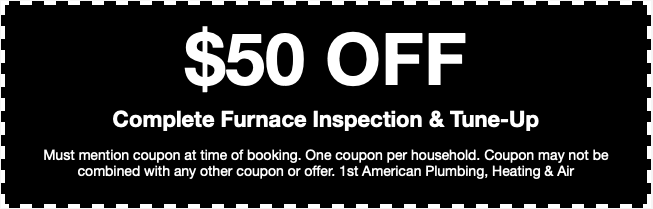
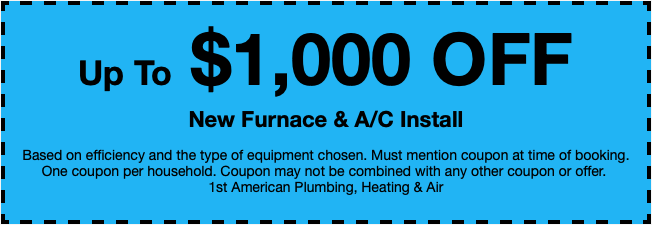
We are excited to offer these money-saving Winter Plumbing, HVAC and Drain Cleaning Specials. If you need a Water Heater, Tankless Water Heater, Water Softener, Drain Hydro Jetting, Camera Inspection, Precision Furnace Tune-Up, High Efficient Furnace, High Efficient Full System or Free Second Opinion, then please give us a call. These offers expire on February 28, 2021, so don’t delay. You can read our 5-star reviews on Google from other happy customers.

Call Us: (801) 506-6889

What Not To Flush Down Your Toilet

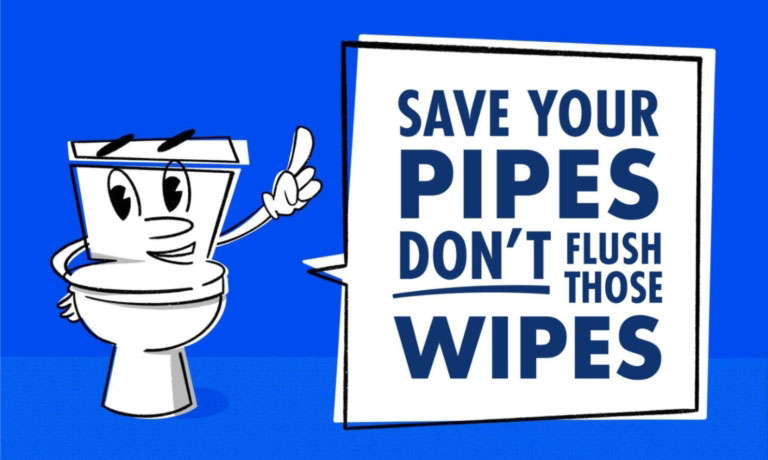
Save your pipes

As you may have noticed recently, toilet paper shortages are being reported in many parts of the country. This causes people to resort to alternatives, which can clog plumbing and septic systems.

We understand the importance of having working plumbing at home, especially during these challenging times. Here is our top list of items you shouldn’t be flushing down your toilet if toilet paper is scarce.

  • Flushable” wipes (Trust us, they’re not flushable.)
  • Paper towels
  • Facial tissue
  • Napkins
  • Feminine hygiene products
  • Cloth products
  • Cotton balls and swabs

A good rule of thumb is to only flush human waste and actual toilet paper down your toilet. Your plumbing and septic systems will last longer, and you’ll prevent a potential backup from occurring.

If a plumbing issue does come up, please give us a call at (801) 477-5818. 1st American Plumbing, Heating & Air is here to help whenever you need us. Rest assured we are taking additional precautions to ensure your safety and that of our team. We encourage you to reach out to us if you have any questions or concerns.

Thank you again for letting us serve you. Please stay healthy and safe.

A Letter To Our Valued Customers

Letter to Customers

[av_textblock size=” av-medium-font-size=” av-small-font-size=” av-mini-font-size=” font_color=” color=” id=” custom_class=” av_uid=’av-kltqv90w’ admin_preview_bg=”]
The safety and well-being of our customers and our team is extremely important to us. We are continuing to evaluate the current coronavirus (COVID-19) situation. We also want you to know what we are doing to help keep you and our staff safe. We understand that currently, people are encouraged to stay home and practice “social distancing” as much as possible. However, home issues that may need attention can still occur. Our technicians are taking extra precautions to protect you and themselves, such as:

  • Maintaining a recommended safe distance at all times
  • Washing and sanitizing hands before and after every job
  • Wearing fresh protective gloves and boot covers if entering a home
  • Providing a contact-less experience, so signatures and payments are collected electronically

Our team at 1st American Plumbing, Heating & Air are proud of the comfort and value we provide our customers. Rest assured we are monitoring the situation daily. If any changes affect the way we serve you, we will let you know. Even during this very trying time, we are here for you when you need us.

Thank you again for letting us take care of your needs. Please stay healthy and safe.

If you need assistance, call us 24/7 at (801) 477-5818 or fill out this form.

A Letter To Our Valued Customers

Sincerely,

Matthew Savas
CEO/Owner
1st American Plumbing, Heating & Air

[/av_textblock]